Leading Hydrogen Fuel Cell Technologies Transforming Clean Energy

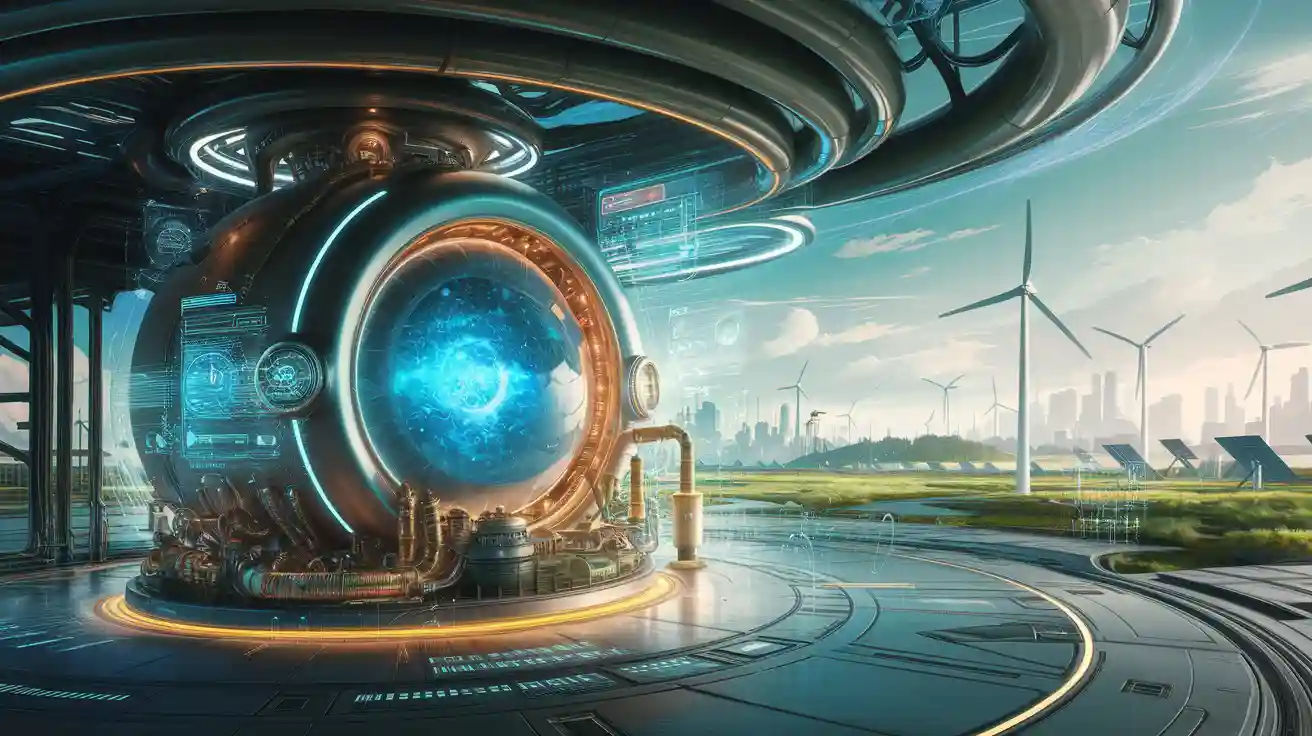
Hydrogen fuel cells are changing how we use clean energy. They help lower pollution and improve energy use. For instance, hydrogen-powered cranes can cut 3.5 kg of carbon dioxide and 0.11 kg of sulfur dioxide per container. HydroXcel is a leader in making new solutions for cleaner energy. Their fuel cells use special materials like Praseodymium Hydroxide. These products help reduce pollution and support green manufacturing.
Key Takeaways
Hydrogen fuel cells are a clean energy source. They only release water vapor, which helps lower air pollution.
Using zero-emission vehicles with hydrogen can improve public health. It reduces harmful gases in the air.
Hydrogen fuel cells are flexible and work in many ways. They can power cars and even homes.
Top Hydrogen Fuel Cell Products
HydroXcel Hydrogen Fuel Cells
HydroXcel is a leader in hydrogen fuel cell technology. They started in 2017 and have changed the industry. HydroXcel makes custom solutions for businesses to meet their needs. Their fuel cells use advanced materials like Praseodymium Hydroxide. These materials make the fuel cells stronger and work better.
HydroXcel’s quality is clear from their global success. They sell products to countries like the USA, Malaysia, and Australia. One great thing is their lifetime after-sales service. They give free technical help and training to customers. This support makes HydroXcel a top name in clean energy.
Bloom Energy Solid Oxide Fuel Cells
Bloom Energy has changed how we think about making energy. Their solid oxide fuel cells (SOFCs) are very efficient and reliable. These fuel cells work at high temperatures and can use different fuels, like hydrogen. This makes them useful for many things, like factories or homes.
A great feature of Bloom Energy’s SOFCs is cutting carbon emissions. Using hydrogen, they make electricity with little harm to the environment. This helps meet global goals to reduce pollution.
H2X Global Zero-Emission Vehicles
H2X Global is leading in making zero-emission vehicles (ZEVs). These vehicles use hydrogen fuel cells to make electricity. They only release water vapor, not harmful gases. This makes them important for cleaner energy.
ZEVs can make cities healthier by cutting air pollution. They help improve public health by removing harmful emissions. More people are seeing the benefits of hydrogen-powered cars. H2X Global keeps improving their vehicles to stay ahead in this field.
Hydrogen fuel cells in ZEVs help cut pollution.
These vehicles don’t release harmful gases like regular cars.
Switching to ZEVs means cleaner air and a healthier planet.
Oort Energy 1 MW Electrolyzer
Oort Energy has improved hydrogen production with their 1 MW electrolyzer. This machine splits water into hydrogen and oxygen using electricity. It’s a clean and efficient way to make hydrogen. Oort Energy focuses on lowering costs and boosting efficiency.
Their electrolyzer uses 20% less energy but makes twice the hydrogen. This lowers costs and makes hydrogen easier to use for many purposes. Oort Energy’s work is helping create a greener future.
Metric | Result |
|---|---|
Precious Metals Usage | |
Power Consumption Efficiency | 10% better |
Hydrogen Production | Doubled with 20% less energy |
Capex Reduction | 50% lower plant stack costs |
Stability | Lasts longer at high power levels |
Oort Energy’s electrolyzer shows how hydrogen can be a clean energy source. By making hydrogen cheaper and easier to produce, they are helping the world move to renewable energy.
Features and Benefits of Hydrogen Fuel Cell Technologies
High Efficiency and Reliability
Hydrogen fuel cells are very efficient and reliable. They release only water vapor, making them great for clean energy. These fuel cells help reduce air pollution and fight global warming. For example, buses powered by hydrogen can travel 300–400 miles on one refill. This is perfect for long trips without stopping to recharge.
Refueling hydrogen tanks is quick, taking just 8–10 minutes. This is as fast as filling up a diesel vehicle. Batteries take hours to charge, but hydrogen fuel cells save time. They also work well in different weather and places. Whether it’s hot in California or snowy in South Korea, they provide steady energy.
Some real-world examples include:
Hydrogen buses in California working well in hot weather.
In Switzerland, buses perform great in mountain areas.
During the 2018 Winter Olympics, hydrogen buses worked in freezing temperatures.
These features make hydrogen fuel cells a reliable choice for clean energy.
Scalability for Diverse Applications
Hydrogen fuel cells can be used in many ways. Their modular design lets them fit small homes or big factories. This flexibility makes them useful for transportation and power generation.
In Europe, governments are using hydrogen fuel cells to cut pollution. They are creating hydrogen corridors and linking energy and transport plans. These efforts help install hydrogen systems in many sectors.
New technologies like AI and IoT make hydrogen production better. They improve storage and delivery, making the process more efficient. Because of this, hydrogen fuel cells are becoming key to clean energy worldwide.
Here’s how the market is growing:
Aspect | Details |
|---|---|
Market Size (2022-2024) | |
Projected Growth (Liquid Cooled Segment) | Expected to exceed USD 7 billion by 2034 |
CAGR for Air Cooled Fuel Cell Stack | Over 9% till 2034 |
Key Drivers | Better technology, new infrastructure, and supportive rules |
Notable Collaborations | Car companies teaming up with energy firms for hydrogen |
This flexibility helps hydrogen fuel cells meet clean energy needs everywhere.
Low Environmental Impact
Hydrogen fuel cells are very clean. They don’t release harmful gases, only water vapor. This makes them great for improving air quality in cities. Zero-emission vehicles powered by hydrogen fuel cells help people breathe cleaner air.
These fuel cells also work quietly, reducing noise pollution. This is helpful in crowded areas. Their low impact on the environment supports global goals to fight climate change.
Integration with Green Hydrogen Production
Hydrogen fuel cells work well with green hydrogen production. Green hydrogen is made using renewable energy, making it very sustainable. For example, green hydrogen is being stored in mine water pumping stations. This lowers energy costs and upgrades old systems.
Even though these projects take over 17 years to pay off, they are worth it. They help reduce pollution and improve renewable energy use.
By combining hydrogen fuel cells with green hydrogen, we can create cleaner energy. This helps reduce fossil fuel use and meet global energy goals.
Applications of Hydrogen Fuel Cells
Transportation and Zero-Emission Vehicles
Hydrogen fuel cells are changing how we travel. Cars and buses powered by hydrogen fuel cells only release water vapor. This makes them much cleaner than regular vehicles. The market for zero-emission vehicles (ZEVs) is growing fast. By 2031, it could be worth over USD 548.1 billion. People want cleaner and greener ways to travel.
Hydrogen fuel cells work in many vehicles, like trucks, buses, and forklifts. They even power delivery vans and other equipment. These vehicles help cut harmful gases and improve air quality. For example, hydrogen buses run well in both hot deserts and snowy mountains.
🚗 Note: Using hydrogen-powered ZEVs helps reduce pollution. It also lowers health problems caused by dirty air.
Industrial and Commercial Power Solutions
Hydrogen fuel cells are changing how factories and buildings get power. They give steady energy and work well with renewable sources. This helps reduce the use of fossil fuels.
For over 25 years, experts have worked on hydrogen systems for industries. New ideas include better ways to make green hydrogen and store it safely. Hydrogen fuel cells also power clean-energy ships, showing their wide use.
🌍 Tip: Companies using hydrogen fuel cells help protect the planet and save energy.
Residential Energy Systems
Hydrogen fuel cells are now being used in homes. They give clean energy and work during power outages. Their small size makes them perfect for houses.
In Europe, governments support hydrogen fuel cells for homes. These systems help people use less energy from traditional grids. They also run quietly, which is great for cities.
Backup Power for Renewable Energy Plants
Renewable energy plants sometimes don’t make enough power. Hydrogen fuel cells fix this by storing extra energy. They release it when needed, keeping the power steady.
Countries like those in Europe and North America are investing in these systems. For example, Saudi Arabia’s NEOM project plans to make 4 million tonnes of green hydrogen by 2030. These projects help ensure clean and reliable energy.
Region | Key Developments |
|---|---|
Europe | Projects like Coradia iLint and HydroFLEX supported by EU’s Green Deal initiatives. |
North America | Investments in sustainable rail and renewable energy integration. |
Asia Pacific | Rapid growth with projects like India’s Hydrogen for Heritage and Japan’s Hybari project. |
Middle East | NEOM green hydrogen project aiming for large-scale production. |
Innovations Shaping the Future of Hydrogen Fuel Cells
Advances in Fuel Cell Materials and Design
The future of hydrogen fuel cells relies on better materials. Scientists now use soundwaves to recover 92% of platinum. This cuts costs and reduces the need for new platinum. Engineers are also making membrane electrodes last longer. This helps fuel cells work better and last more years.
These improvements are boosting market growth. The stationary hydrogen fuel cell market may grow from USD 3.56 billion in 2024 to USD 22.87 billion by 2033. This shows a rising demand for clean energy solutions.
💡 Did you know? New materials and designs make hydrogen fuel cells cheaper and more efficient, helping more people use them.
Cost-Effective Green Hydrogen Production
Making green hydrogen is getting cheaper. Companies use renewable energy to split water into hydrogen and oxygen. This process creates no pollution, making it eco-friendly.
New methods also use less energy to make hydrogen. For example, Oort Energy’s electrolyzer uses 20% less energy but makes twice as much hydrogen. These ideas lower costs and help industries use green hydrogen more easily.
Emerging Use Cases in Energy Storage
Hydrogen fuel cells are changing how we store energy. They save extra power from wind and solar, keeping energy steady. The membrane electrode market, key for storage, may grow from USD 1.2 billion in 2024 to USD 3.8 billion by 2033.
Transportation is also improving. Hydrogen-powered vehicles show how stored energy can support clean travel. These changes prove hydrogen fuel cells can solve big energy problems.
Expanding Global Adoption and Market Growth
More countries are using hydrogen fuel cells. The hydrogen vehicle market may grow from $1.3 billion in 2023 to $46.4 billion by 2033. This is a 43.2% yearly growth, driven by eco-friendly goals and government support.
Asia-Pacific leads with countries like China and Japan building hydrogen systems. Urban growth and middle-class needs are increasing demand for clean energy. By 2031, the global Hydrogen Fuel Cell Sealant market could reach USD 18.01 billion. This shows the world is moving toward greener energy.
🌍 Insight: The rise of hydrogen fuel cells is more than a trend—it’s a global step toward a cleaner planet.
Hydrogen fuel cells are changing how we use energy. They power cars and homes while keeping the air clean. These systems cut pollution and work efficiently, helping create a greener future.
Evidence Type | Details |
|---|---|
Market Size | Worth USD 1.2 Billion in 2024, expected to hit USD 3.5 Billion by 2033, growing 12.5% yearly from 2026 to 2033. |
Demand for Clean Energy | More focus on hydrogen as a clean fuel to lower pollution. |
Growth in Fuel Cell Technology | More fuel cell vehicles and power systems need better storage tanks. |
Government Support | Strong rules in Europe, Asia-Pacific, and North America support hydrogen use. |
New Technology | Better materials and insulation make storage safer and more efficient. |
Hydrogen Infrastructure Growing | More money spent on refueling stations and hydrogen plants. |
The fast rise of hydrogen fuel cells shows their big impact. Learn about these ideas and help build a cleaner world.
FAQ
What is a hydrogen fuel cell?
A hydrogen fuel cell makes electricity by mixing hydrogen and oxygen. It only creates water vapor, so it’s a clean energy option.
How long does it take to refuel a hydrogen-powered vehicle?
It takes 8–10 minutes to refuel a hydrogen vehicle. This is much quicker than charging electric car batteries, which can take hours.
🚗 Tip: More hydrogen stations are being built worldwide for easier use.
Are hydrogen fuel cells safe to use?
Yes, hydrogen fuel cells are very safe. Engineers add special safety features to stop leaks and keep them working well in all conditions.
🔒 Note: Storing and handling hydrogen correctly makes it even safer.
See Also
Exploring The Functionality Of Hydrogen Fuel Cells In 2025
20kw Fuel Cells: Essential For Five Major Hydrogen Applications
The Advantages Of Choosing Home Fuel Cells Today
Defining Home Fuel Cells And Their Operational Mechanism
Comparing Hydrogen Vehicles And Electric Cars: Future Driving Trends

