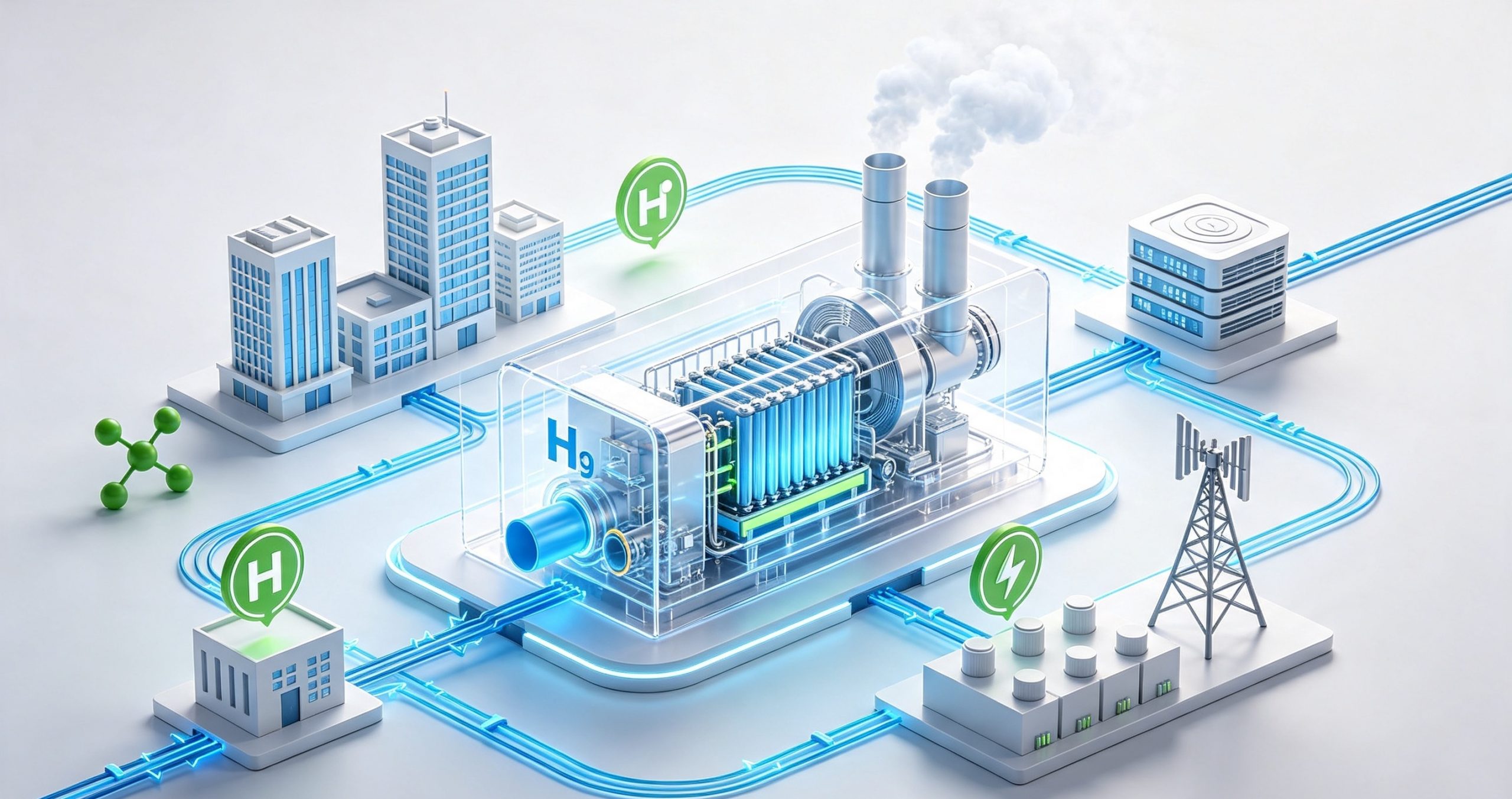
Choosing the best hydrogen fuel cell takes careful thought. You should look at the type, features, use, cost, and upkeep. For example, hydrogen fuel cells have improved a lot. The market might grow from $2.7 billion in 2023 to $5.9 billion by 2032. This shows more people are using hydrogen for cars and power systems.
Learning about this technology is very important. It gives clean energy with no pollution, making it good for the planet. Hydrogen cars, for instance, are 60% fuel-efficient and cut harmful gases. By knowing these facts, you can pick the right option for your needs.
Learn about the types of hydrogen fuel cells. Examples include PEM, SOFC, and AFC, each with special uses.
Check the power and efficiency of the fuel cell. Pick one that fits your energy needs to avoid wasting power.
Look at the size and weight of the fuel cell. Smaller ones are easier to move, but bigger ones work well in one place.
Think about long-term costs. Strong and efficient fuel cells can save money on repairs and fuel.
Focus on safety and upkeep. Regular checks and skilled workers keep your fuel cell safe and working well.
Hydrogen fuel cells come in different types for various uses. Knowing these types helps you pick the right one for your needs.
PEM fuel cells are very common and widely used. They use a solid material to move protons and create electricity. These fuel cells work at lower temperatures, usually between 50°C and 100°C.
PEM fuel cells are great for vehicles like cars and buses. They are small and start quickly, making them perfect for fast energy needs. They also provide strong power and work efficiently, which is useful for portable devices.
Tip: For cars or portable gadgets, PEM fuel cells are lightweight and respond quickly, making them a smart choice.
SOFCs use a ceramic material to move ions at high heat, between 600°C and 1,000°C. They are very efficient, reaching up to 60%, and can use fuels like hydrogen, natural gas, or biogas. This makes them flexible for many uses.
SOFCs are often used in power plants and factories. They handle fuel impurities well, which adds to their dependability. Europe leads in SOFC use, with countries like Germany and the U.K. investing heavily. Globally, SOFCs make up 55-65% of the market, with companies like Bloom Energy leading the way.
Region | Market Share (%) | Key Insights |
|---|---|---|
Europe | Dominating | Countries like Germany, U.K., France, and Italy are leading due to advanced infrastructure. |
Global | 55-65% | Bloom Energy holds a significant market share, driven by its technological edge and growth in installations. |
Note: SOFCs are best for stationary uses where strength and efficiency matter most.
AFCs use an alkaline liquid, like potassium hydroxide, to create energy. These fuel cells have been used for years, even in space missions, because they work well in controlled settings.
AFCs are ideal for tasks needing reliable and low-cost fuel cells. But they don’t handle hydrogen impurities well, which can lower their performance.
Fuel Cell Type | Advantages | Limitations |
|---|---|---|
AFC | High reliability, suitable for controlled environments | Sensitive to impurities in hydrogen |
If you need a fuel cell for special uses, like space or research, AFCs are a dependable choice.
Phosphoric Acid Fuel Cells (PAFC) use liquid phosphoric acid to make power. These fuel cells work at medium heat, around 150°C to 200°C. They are great for powering buildings or factories.
PAFCs have many good points. They are dependable and handle dirty hydrogen better than some other types. This makes them useful when the fuel isn’t very clean. They also last a long time, giving steady performance for years.
PAFCs are helpful for combined heat and power (CHP) systems. These systems make electricity and use leftover heat for warming. This saves energy and lowers costs.
Tip: For powering buildings or CHP systems, PAFCs are a smart and reliable choice.
Molten Carbonate Fuel Cells (MCFC) use melted carbonate salts to create energy. These fuel cells run at high heat, about 600°C to 700°C. They can use different fuels like hydrogen, natural gas, or biogas.
MCFCs are best for making lots of power. They are used in power plants and factories where size and efficiency matter. They can reach up to 60% efficiency, and with heat recovery, they go over 80%.
A special feature of MCFCs is capturing carbon dioxide while working. This helps industries lower pollution. But their high heat needs strong materials and careful upkeep.
Note: MCFCs work well for big projects needing efficiency and eco-friendly solutions.
Picking the right hydrogen fuel cell means knowing its key details. Let’s look at three important factors: power output, efficiency, and size and weight.
Power output shows how much electricity a fuel cell makes. This is important because it decides what the fuel cell can power. For example, a small 5kW unit works well for homes. A bigger 20kW system can handle larger businesses.
Hydrogen fuel cells give steady and reliable power. The 1-20kW Hydrogen Fuel Cell Power Generator by HydroXcel offers different power levels. It can be used for home backup or big power stations. Knowing the power output helps you pick the right system for your needs.
Discover the Future of Energy
Explore the 1-20kw Hydrogen Fuel Cell Power Generator for reliable, eco-friendly power solutions.
Tip: Match the fuel cell's power output to your energy needs. This avoids wasting money or getting too little power.
Efficiency shows how well a fuel cell turns hydrogen into energy. Higher efficiency means less waste and lower costs. Modern fuel cells, like Proton Exchange Membrane (PEM) ones, can reach up to 60% efficiency. This makes them a smart and eco-friendly choice.
Here’s a simple look at how efficiency is measured:
Metric | What It Means |
|---|---|
How much electric power is made compared to energy used. | |
Heat Recovery Efficiency | How much heat is reused from the energy supplied. |
Total Efficiency | The sum of electrical and heat efficiency. |
System Availability | How often the system works without downtime. |
Stack Degradation | How much power is lost over time. |
Efficient fuel cells save energy and help the planet. Some systems reuse heat, reaching over 80% total efficiency. These are great for combined heat and power (CHP) setups.
Note: Look for fuel cells with high efficiency to save energy and protect the environment.
The size and weight of a fuel cell affect how easy it is to use. Smaller and lighter systems fit better in tight spaces. For example, the HydroXcel 1-20kW generator is compact, making it good for homes and businesses.
Here are some things to check about size and weight:
What to Check | Type of Specification |
|---|---|
Space needed for the fuel cell in its basic setup (l/kWe) | Size |
How long the system lasts before losing 10% of its power | Durability |
Think about where you’ll install the fuel cell and how much it weighs. Smaller, lighter ones are easier to move. Bigger ones are better for fixed locations.
Tip: Pick a fuel cell that balances size, weight, and power. This ensures it fits your needs without losing performance.
When picking a hydrogen fuel cell, think about how long it lasts. Durability shows how well it works over time without breaking. Most hydrogen fuel cells are built to last for years. However, their lifespan depends on the type and how they are used.
Proton Exchange Membrane Fuel Cells (PEMFCs) are small and efficient. But high heat can harm them. Too much heat dries out the membrane, causing damage to parts like the catalyst. This is why keeping the right temperature is very important for PEMFCs to last longer.
You can check a fuel cell's durability in two ways:
Real-world testing, which shows how it works in actual use. This method is accurate but takes time and resources.
Using math models, which predict how long it will last. This is cheaper and faster than real testing.
The materials in a fuel cell also affect how long it lasts. For example, solid oxide fuel cells (SOFCs) use strong ceramic materials. These handle high heat well, making them great for factories. Alkaline fuel cells (AFCs), however, don’t work well with dirty hydrogen, which shortens their life.
Tip: Choose fuel cells with strong materials and good heat control to make them last longer.
The temperature a fuel cell works at affects how well it performs. Each type of fuel cell has a specific temperature range for its best use.
Proton Exchange Membrane Fuel Cells (PEMFCs) work at lower temperatures, between 50°C and 100°C. They are great for cars and small devices because they start quickly and are compact. But keeping the right temperature is key to avoid drying out the membrane, which can lower performance.
Solid Oxide Fuel Cells (SOFCs) and Molten Carbonate Fuel Cells (MCFCs) work at much higher temperatures, from 600°C to 1,000°C. These are better for factories and power plants. Their high heat makes them very efficient and able to use fuels like natural gas.
Here’s a simple look at temperature ranges:
Fuel Cell Type | Operating Temperature Range | Best Uses |
|---|---|---|
PEMFC | 50°C - 100°C | Cars, portable gadgets |
SOFC | 600°C - 1,000°C | Factories, power plants |
MCFC | 600°C - 700°C | Big power projects |
Temperature also affects how long a fuel cell lasts. PEMFCs need careful heat control to avoid damage. SOFCs need materials that can handle very high heat.
Note: Pick a fuel cell with a temperature range that fits your needs for the best results.
Hydrogen fuel cells are changing how we travel. Hydrogen fuel cell electric vehicles (FCEVs) use clean energy and work efficiently. These vehicles rely on Proton Exchange Membrane (PEM) fuel cells. PEM fuel cells start quickly and are small in size. Cars powered by hydrogen only release water vapor, making them good for the environment.
Hydrogen vehicles perform very well. PEM fuel cells can make up to 100 kW of power. This supports engines with 200-2,000 horsepower. They are great for cars, buses, and trucks. But their energy efficiency, from fuel to wheels, is only 25-29%. This shows there’s room to improve how they use energy.
Tip: Use hydrogen fuel cell vehicles to cut pollution and get strong performance.
Hydrogen fuel cells are important for steady power. They supply energy to buildings, factories, and power plants. Solid Oxide Fuel Cells (SOFCs) and Molten Carbonate Fuel Cells (MCFCs) are often used here. These fuel cells work at high heat and can reach up to 80% efficiency when reusing heat.
Stationary systems are great for big energy needs. They handle dirty fuels well and give constant power. Combined heat and power (CHP) systems reuse waste heat to save energy. This makes hydrogen fuel cells a smart and eco-friendly choice for large-scale power.
Note: For factories or power plants, hydrogen fuel cells give steady and efficient energy.
Hydrogen fuel cells are also useful for portable power. These systems are small and light, so they’re easy to carry. PEM fuel cells are common for portable uses because they start fast and work well.
Portable power is perfect for faraway places or emergencies. Hydrogen fuel cells give clean and quiet energy, which is great for cities. The HydroXcel 1-20kW generator is a good example. It works for homes and businesses, giving power when needed.
Tip: Pick portable hydrogen fuel cells for dependable energy in remote areas or emergencies.
Buying hydrogen fuel cells costs a lot at first. Rare metals like platinum and iridium are used as catalysts, which make them pricey. For example, Proton Exchange Membrane (PEM) fuel cells use platinum to speed up reactions. This makes them work well but raises the cost.
Aspect | Details |
|---|---|
Initial Investment Costs | |
Market Challenges | Expensive setup costs slow down investments in hydrogen energy. |
Cost Trajectory | Prices are dropping thanks to better tech and more production. |
Even though the upfront cost is high, new technology is lowering prices. Governments and companies are funding research to make these systems cheaper.
Tip: Choose systems that balance cost and performance. Over time, the high price can pay off with better efficiency.
Keeping hydrogen fuel cells working costs money too. Regular care is needed to keep them running well. For example, PEM fuel cells need their membranes and catalysts replaced sometimes, which adds to the cost.
Aspect | Details |
|---|---|
Maintenance Costs | Regular upkeep adds to the overall expense of fuel cells. |
Technological Innovation | Better designs and materials can lower maintenance costs. |
As technology improves, maintenance costs are expected to drop. Stronger materials and smarter designs are making fuel cells last longer and need fewer repairs.
Note: Taking care of your fuel cell helps it work better and last longer.
The price of hydrogen itself is a big part of the total cost. Different ways to make hydrogen, like electrolysis or steam methane reforming, have different prices. Electrolysis is cleaner but costs more because it uses electricity to split water.
Factor | Description |
|---|---|
Hydrogen Production Tech | The method used affects the cost of hydrogen fuel cells. |
Application Scale | Larger projects can lower costs through economies of scale. |
As more people use hydrogen, production costs are expected to drop. Policies and new technology are also helping make hydrogen cheaper.
Tip: Think about where the hydrogen comes from. Green hydrogen costs more but helps the environment.
Using hydrogen fuel cells can save money over time. Even though the starting cost is high, the long-term savings make it worth it. Think about how durability, efficiency, and lower running costs help save money.
Hydrogen fuel cells are made to last a long time. Strong materials, like those in Solid Oxide Fuel Cells (SOFCs), prevent damage. This means fewer replacements are needed. For instance, a good fuel cell can work for over 40,000 hours before big repairs.
Tip: Pick durable fuel cells to avoid frequent replacements.
Efficient fuel cells use hydrogen better to make energy. Proton Exchange Membrane (PEM) fuel cells can reach 60% efficiency. Some types reuse heat, raising total efficiency to over 80%. Better efficiency means using less hydrogen, which lowers fuel costs.
Efficiency Type | Advantage |
|---|---|
Electrical Efficiency | Makes more power with less hydrogen. |
Heat Recovery Efficiency | Reuses waste heat to save energy. |
Hydrogen fuel cells need less care than regular generators. They have fewer parts that wear out. They also run quietly and don’t pollute, cutting noise and environmental costs.
Note: Lower upkeep and fuel costs make hydrogen fuel cells a smart choice over time.
By focusing on durability, efficiency, and low upkeep, you can save more with hydrogen fuel cells in the long run.
Getting the site ready is an important first step. The location must be safe, efficient, and cost-effective. Things like good airflow, enough space, and easy hydrogen access are key.
A well-prepared site lowers risks and helps the system work well. Costs for setup often depend on electricity rates and equipment prices. The table below shows what affects these costs:
Aspect | Details |
|---|---|
Electrolysis Capacity | Based on public data, not exact numbers |
Annual Subsidies | Total yearly subsidies for all sectors |
Main Cost Drivers | Electricity rates and equipment costs are the biggest factors |
Tip: Pick a site with steady electricity and good airflow for better safety and performance.
Taking care of your fuel cell helps it last longer. Focus on three main areas: catalyst health, membrane condition, and water levels.
Catalyst Degradation: The catalyst can wear out, making it less effective. This raises resistance and lowers energy output.
Membrane Degradation: Wetting and drying can harm the membrane, causing leaks and gas problems.
Water Management: Too much water can block gas flow and damage parts.
Note: Regular care keeps the system reliable and avoids expensive fixes.
Safety is very important with hydrogen fuel cells. Hydrogen can catch fire easily, so follow strict rules to stay safe.
Use detectors to check for hydrogen leaks.
Ground the system to stop static electricity buildup.
Train workers on what to do in emergencies.
Reminder: Always use approved tools and follow local safety rules.
By preparing the site, maintaining the system, and staying safe, your hydrogen fuel cell will work well and safely.
Getting the right technicians for hydrogen fuel cells is important. They must know how to install and maintain these systems safely and efficiently.
Start by finding technicians trained in hydrogen technology. Many schools now teach courses about hydrogen safety and how it works. These programs give technicians the skills they need to handle fuel cells properly.
Vocational schools are also helpful. They offer hands-on training for working with hydrogen systems. Some programs even help workers from old energy jobs learn new hydrogen skills.
Learning on the job is another great option. Companies that make hydrogen fuel cells often train workers directly. This helps technicians gain real-world experience with the systems.
Look for technicians who can use advanced tools. Many hydrogen systems have smart sensors and automated parts. Technicians should know how to use these tools to fix problems and improve performance.
It’s also good if technicians understand renewable energy. Hydrogen systems often work with solar or wind power. Knowing this helps make the system more efficient and eco-friendly.
For big projects, technicians need project management skills. They should be able to organize tasks and work with different teams to finish on time.
Tip: Pick technicians with training, hands-on experience, and knowledge of modern tools. This keeps your hydrogen fuel cell system running safely and smoothly.
Picking the best hydrogen fuel cell needs careful thought. Look at the type, features, and how you’ll use it. Each kind has special benefits, like strong power or no pollution. These make them great for clean energy solutions. Match your energy needs with the right fuel cell to get clean power and cut harmful gases.
Think about cost, performance, and how easy it is to use. Tools like the Brown–Gibson Model or VIKOR can help. These tools mix expert advice with data to find the best option. They make choosing easier and smarter.
Hydrogen fuel cells are the future of clean energy. They give power without polluting and help the planet. Talk to experts to learn more about hydrogen cars and other uses. Picking the right one helps you support a cleaner world with sustainable energy.
Hydrogen fuel cells can work for 5,000 to 40,000 hours. Their lifespan depends on the type and how they are used. Proton Exchange Membrane (PEM) fuel cells last 5,000–10,000 hours. Solid Oxide Fuel Cells (SOFCs) can last over 40,000 hours. Regular care helps them last longer.
Yes, some types, like Proton Exchange Membrane (PEM) fuel cells, work well in cold weather. They run at lower temperatures, making them good for cars and small devices. In very cold places, insulation and preheating may be needed for better performance.
Hydrogen fuel cells are safe if installed and cared for properly. New systems have safety tools like leak detectors and grounding features. Following rules like good airflow and regular checks keeps them safe to use.
Hydrogen fuel cells make power as long as they have hydrogen. Batteries store energy and need charging. Fuel cells are better for long-term power needs. Batteries are good for short-term energy use. Each works best for different jobs.
Hydrogen fuel cells don’t pollute and only release water vapor. They cut down on using fossil fuels and help fight climate change. Using green hydrogen, made from renewable energy, makes them even better for the planet.
Innovative Hydrogen Fuel Cell Solutions Shaping Sustainable Energy
Exploring The Functionality Of Hydrogen Fuel Cells In 2025
The Benefits Of Choosing Home Fuel Cells For Energy
20kw Fuel Cells: Essential For Five Major Industrial Hydrogen Uses